The art of percussion has always been about more than just rhythm and impact. In recent years, advanced techniques in overtone control have revolutionized how percussionists approach their instruments, unlocking new dimensions of tonal expression. From concert halls to recording studios, these innovations are reshaping what's possible with struck instruments.
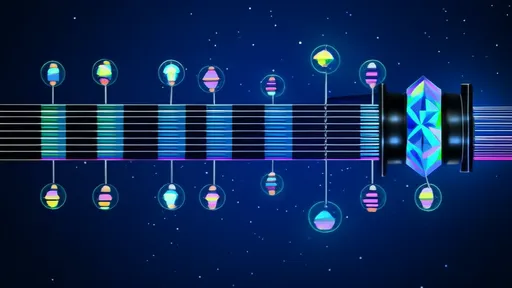
At the heart of this evolution lies the understanding that every percussive strike produces not just a fundamental tone but a complex series of overtones. Skilled players now manipulate these harmonic components through precise striking techniques, instrument modifications, and even digital processing. The results range from crystalline bell-like tones from what were traditionally dry-sounding instruments to the ability to "bend" pitches after the initial attack.
Traditional percussion pedagogy often treated overtones as inevitable byproducts to be minimized or ignored. Contemporary approaches now view them as essential elements of an instrument's voice. Master percussionists speak of "playing the harmonics" as deliberately as violinists consider bow placement or wind players control embouchure. This paradigm shift has led to fascinating developments across multiple percussion families.
One breakthrough area involves membrane instruments like frame drums and tambourines. Through specialized dampening techniques and strike locations, players can isolate specific harmonics that would normally blend indistinctly into the overall sound. Some traditional techniques from Middle Eastern and South Indian percussion, once considered esoteric, have gained new relevance as Western players adopt and adapt these methods.
Metal percussion instruments present particularly rich opportunities for overtone manipulation. The difference between a dead strike and a vibrant, singing tone often comes down to minute variations in mallet choice, striking angle, and point of contact. Advanced players might use one hand to strike while the other lightly touches specific nodal points to suppress unwanted harmonics or amplify desired ones - a technique requiring extraordinary coordination.
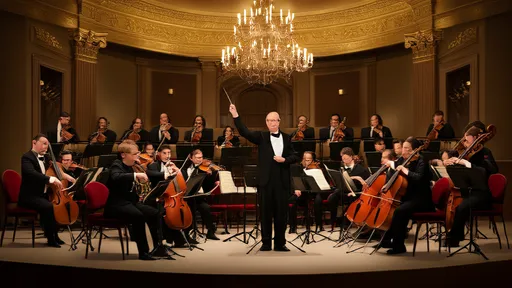
In the realm of orchestral percussion, timpanists have developed sophisticated methods for "cleaning up" their sound by controlling the complex harmonic series these kettle drums produce. The best players can make timpani sing with unprecedented clarity, achieving pitch definition that was once thought impossible for these instruments. This has allowed composers to write more harmonically nuanced parts for what was traditionally considered a fundamentally rhythmic instrument.
The studio environment has become a laboratory for overtone experimentation. Recording engineers now work closely with percussionists to capture these subtle harmonic manipulations, using microphone placement and signal processing to highlight or suppress certain overtones. Some producers create entire sonic palettes by multi-sampling instruments struck in different ways to emphasize various harmonic components.
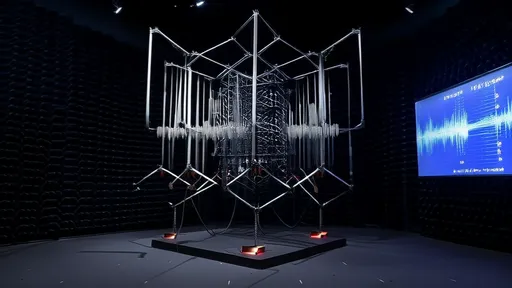
Electronic augmentation has opened another frontier in overtone control. Sensors can detect minute variations in playing technique and trigger harmonic enhancements or processing. Some hybrid instruments combine acoustic vibration with real-time digital harmonic synthesis, creating sounds that blur the line between natural and electronic tones. These technologies don't replace traditional skills but rather extend the percussionist's expressive range.
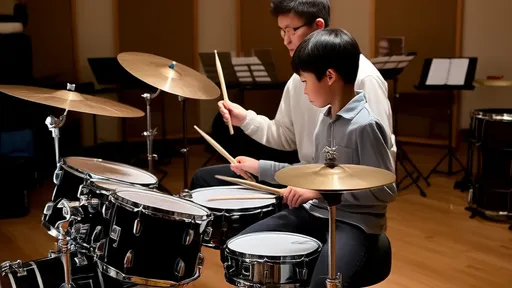
Educational approaches have evolved to meet these new demands. Leading music programs now incorporate overtone control into their core percussion curriculum rather than treating it as an advanced specialty. Students learn to listen critically to the harmonic content of their strikes from their first lessons, developing an ear for subtle tonal variations that would have gone unnoticed in previous generations.
The implications extend beyond classical and art music. Jazz drummers use harmonic control to tune their kits more precisely to the band's overall sound. World music fusion projects explore intersections between different cultures' approaches to percussive harmonics. Even in popular music, producers increasingly focus on the harmonic qualities of percussion tracks, recognizing how they contribute to a recording's overall spectral balance.
As this technology and these techniques continue to develop, they promise to further expand the musical possibilities of percussion. What was once considered merely the "rhythm section" now commands an increasingly sophisticated harmonic role. The next decade will likely see even more remarkable innovations as players, composers, and instrument designers continue to explore the rich harmonic potential waiting to be unlocked from every struck surface.

By /Jul 25, 2025

By /Jul 25, 2025
By /Jul 25, 2025

By /Jul 25, 2025

By /Jul 25, 2025

By /Jul 25, 2025
By /Jul 25, 2025

By /Jul 25, 2025
By /Jul 25, 2025

By /Jul 25, 2025

By /Jul 25, 2025
By /Jul 25, 2025

By /Jul 25, 2025
By /Jul 25, 2025
By /Jul 25, 2025
By /Jul 25, 2025

By /Jul 25, 2025

By /Jul 25, 2025
